In August 2023, Elin Holgersson (study and career counsellor at Lund University, Sweden) took part in the Career Guidance and Social Justice summer course organised by the Inland Norway University of Applied Sciences. During the course, she was part of a group that created a resource which could inform other practitioners about how career guidance can contribute to social justice. In this post she shares the results of implementing the resource at her workplace.

As a career guidance practitioner, my journey toward embracing social justice principles has been both enlightening and transformative. Following my participation in the Career Guidance and Social Justice summer course I was inspired to integrate these principles into my daily practice, as well as share them with my colleagues. Therefore, I brought with me the resource created during the summer course and presented it to our network of study and career counsellors at Lund University, with the purpose of fostering meaningful discussions and reflections about social justice and career guidance.
Implementation of the resource
The resource was translated, and the case adjusted to better fit a Swedish context. The thinking behind the resource and the original resource itself can be found here: Fostering socially just career guidance through a case study exercise (Ahmed’s struggle)
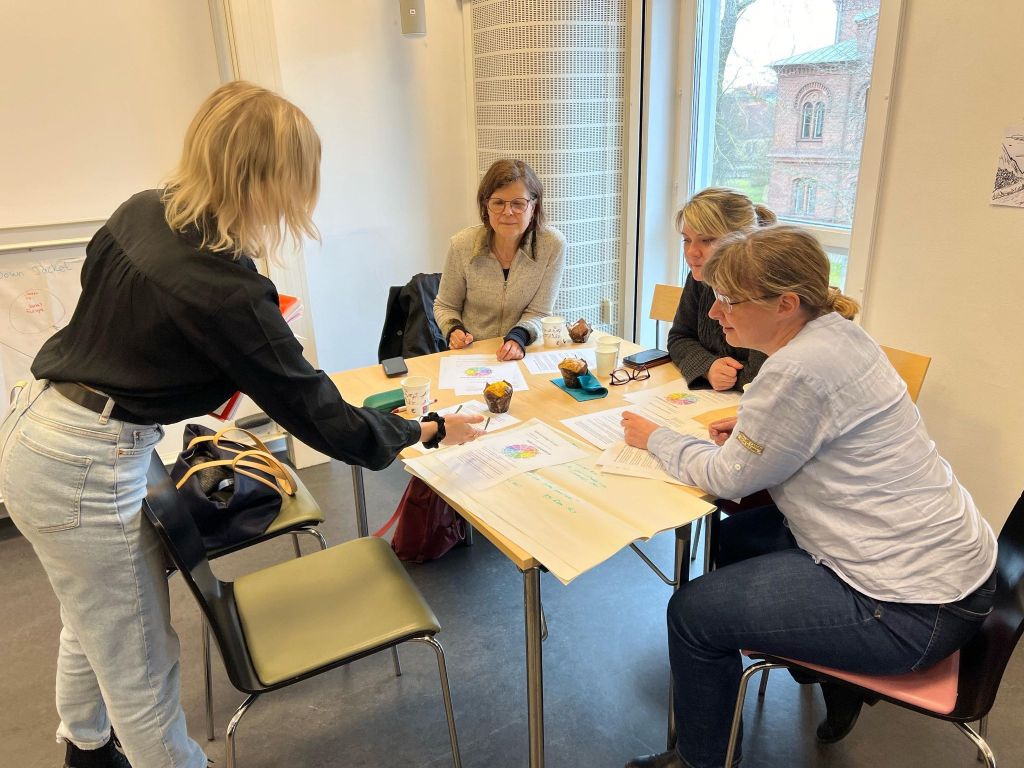
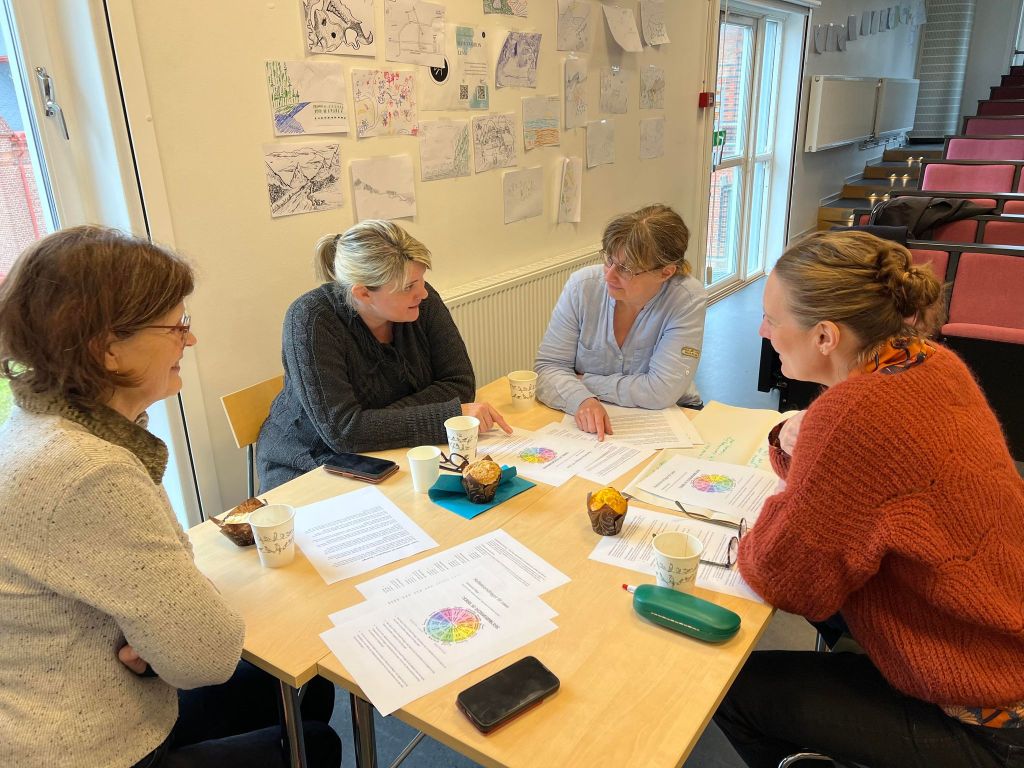
At a network meeting in March, I guided a group of study and career counsellors at the Social Science faculty of Lund university through the exercise, emphasising the importance of integrating social justice principles into our practice. To ensure active participation and allow everyone to engage deeply with the material, the participants were divided into smaller groups.
Firstly, each group was tasked with reflecting on the career guidance role and practise using the discussion questions based on the Five Signposts to Socially Just Career Guidance. Then, with a fresh social justice perspective, the groups were tasked with analysing specific aspects of the case using the wheel of power/privilege. Finally, the groups merged and shared their thoughts and reflections with each other, facilitating a collective understanding of the implications of integrating social justice principles into our daily practice.
Results and reflections
The implementation of the resource at Lund University yielded insightful results and reflections from the participating study and career counsellors. Here are some key takeaways from the exercise:
- Realisation of relevance: Initially, some participants questioned the relevance of the exercise to their work with students. However, as they delved deeper into the case study and reflection questions, they realised the universal applicability of social justice principles in career guidance. They acknowledged that social injustice can manifest in various forms and contexts, and that they, too, have a role to play in addressing these issues.
- Heightened awareness: Participants expressed that the exercise helped them elevate their awareness of social justice issues within the context of career guidance. Many admitted that prior to the exercise, they had limited exposure to the concept of social justice in their profession. However, through engaging with the case study and reflection questions, they gained a deeper understanding of the systemic barriers and injustices faced by marginalised individuals.
- Broadened perspectives: The exercise provided an opportunity for counsellors to step back from their routine and administrative tasks, engage in meaningful discussions, and view their role in a broader context. By analysing the case study and discussing the Five Signposts to Socially Just Career Guidance, participants reflected on their own biases and assumptions, as well as the societal structures that influence career opportunities. This broader perspective played a part in enhancing their approach to career counselling.
- Empathy and understanding: The exercise facilitated critical conversations about the diverse challenges faced by marginalised individuals, including immigrants. The creation of a case study and accompanying reflective questions aimed to foster empathy and understanding among practitioners. The exercise served as a platform for discussing real-life scenarios and exploring avenues for promoting social justice within our profession. One particularly poignant reflection was the recognition of the importance of listening and validating the experiences of our clients.
- Acknowledgement of power dynamics: A significant reflection among participants was the recognition of the inherent power dynamic present in their roles as career counsellors. They emphasised the importance of understanding their unique position and influencing factors from the wheel of power/privilege, as well as the responsibility that comes with it. This acknowledgment prompted discussions about the need for self-awareness and continuous learning to ensure equitable and inclusive guidance practices.
- Practical strategies: Throughout the exercise, participants brainstormed practical strategies for integrating social justice principles into their practice. From actively seeking out diverse perspectives to advocating for systemic changes within their institutions, they explored various avenues for effecting positive change. The exercise sparked enthusiasm among participants to implement these strategies in their daily work.
Additionally, there was a shared acknowledgment of the fear of making mistakes, particularly in situations involving discrimination. However, the group realised that taking action, even with uncertainty, is crucial in the pursuit of social justice.
Conclusion and looking forward
In conclusion, the implementation of the resource proved to be a catalyst for meaningful discussions and reflections among study and career counsellors at Lund University. It not only heightened awareness of social justice issues but also inspired a commitment to learning more and to integrating social justice principles into our practice.
While challenges and uncertainties may arise, we are emboldened by the belief that each small step we take contributes to a more inclusive and just society. As we continue on this journey, we are empowered by the collective effort to foster socially just career guidance practices, ultimately contributing to a more equitable and inclusive society.
The study and career counsellors at the Social Science faculty of Lund University expressed appreciation for being able to take part in the exercise and a desire for similar exercises in the future. In May, career coordinators at the Social Science faculty and the School of Economics and Management of Lund University will arrange a skills and competence development day for career practitioners at Lund university. The day will highlight another important aspect of career guidance with the theme “Sustainable Career,” hoping to aid career practitioners in enhancing their skills in supporting individuals towards meaningful and sustainable career paths.
 Critical Perspectives on Career and Career Guidance (COCAG)