
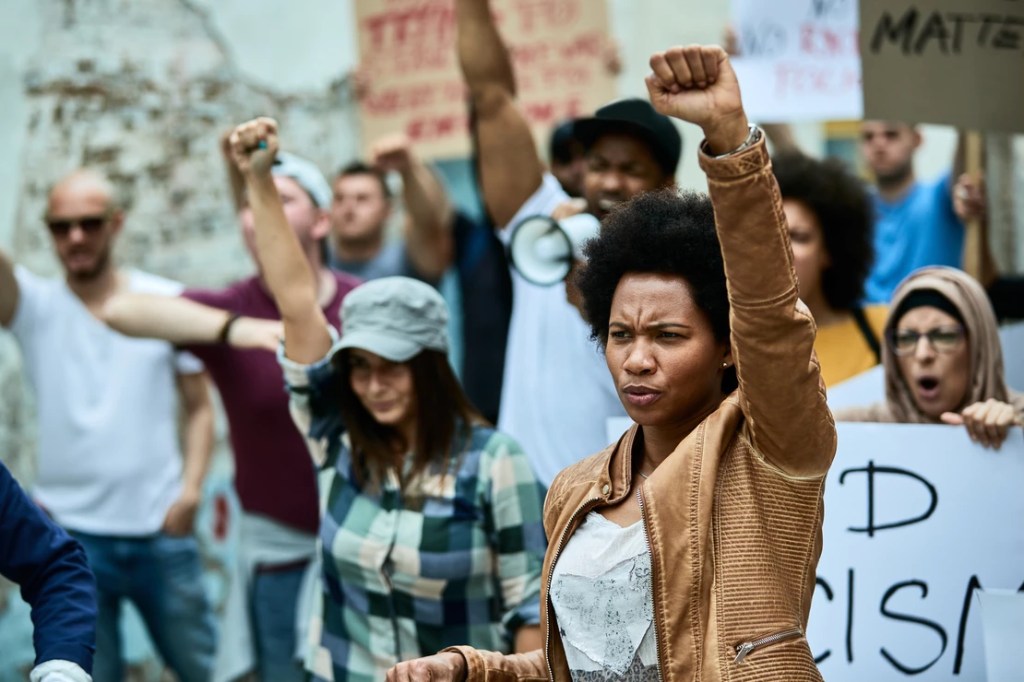
February 20th was the UN world day of social justice. In this post Raza Abbas offers a series of questions for the careers field to think about as they engage with social justice.

As the career services sector how can we promote access to the formal economy? How can career services professionals advocate the transition to formal employment as shared by UN vision which sets out that ‘it is a necessary condition to reduce poverty and inequalities, advance decent work, increase productivity and sustainability of enterprises and expand government’s scope of action, notably in times of crisis’.
The UN argues that in ‘many countries are utilizing new technologies to facilitate the transition from informal to formal employment through E-formalization tools, such as electronic database systems for proper identification of employment and wider access to ICTs and e-commerce’. How is the situation in your country what measures are being taken to reduce the digital divide?
As the career sector how often do we engage in social justice activism and advocacy and when can it start to optimise impact? How often do we initiate social justice career guidance research that seeks to make changes? How frequently do we integrate social justice in inclusive career education curriculum/ programs for educational institutes?
Let’s pause for a second… and think about who some of the leading social justice influencers in the careers field are. Who are the key people addressing these issues in your country or region? In recent months one of the global leaders in our field Dr. David Bluestein has strongly recommended that we all read the articles Social justice and career development: Progress, problems, and possibilities and Centering matrices of domination: Steps toward a more intersectional vocational psychology as they are both game-changers for the social justice mission in our field. I would also suggest that you read these articles and reflect on them as well as considering what other writing is important to you.
As career services professional how are we advocating and creating meaningful and dignified lives that promotes social justice and decent work? Some possible career pathways that can integrate social justice include educator, journalist, victim advocate, grant writer, lawyer, social worker, community mobilizer, lobbyist, policy analyst, researcher, anchor, blogger etc.
Let’s keep the careers advocacy movement flowing as it is promoting co-existence contributing to a socially just society
 Critical Perspectives on Career and Career Guidance (COCAG)